Why Your Toilet Keeps Running
The toilet keeps running for one of three reasons: a cistern part has failed. Each one wastes water quietly until someone fixes it.
If we're late, $100 comes off your bill

- Licensed and InsuredEvery job done by a licensed plumber. QBCC No: 15024607
- Fixed Quote FirstFlat-rate pricing, agreed before any work starts
- Lifetime Labour WarrantyBacked by our Fix-It-or-It's-Free guarantee (T&Cs apply)
- $0 Call-Out FeesNo extra charge for nights, weekends or public holidays
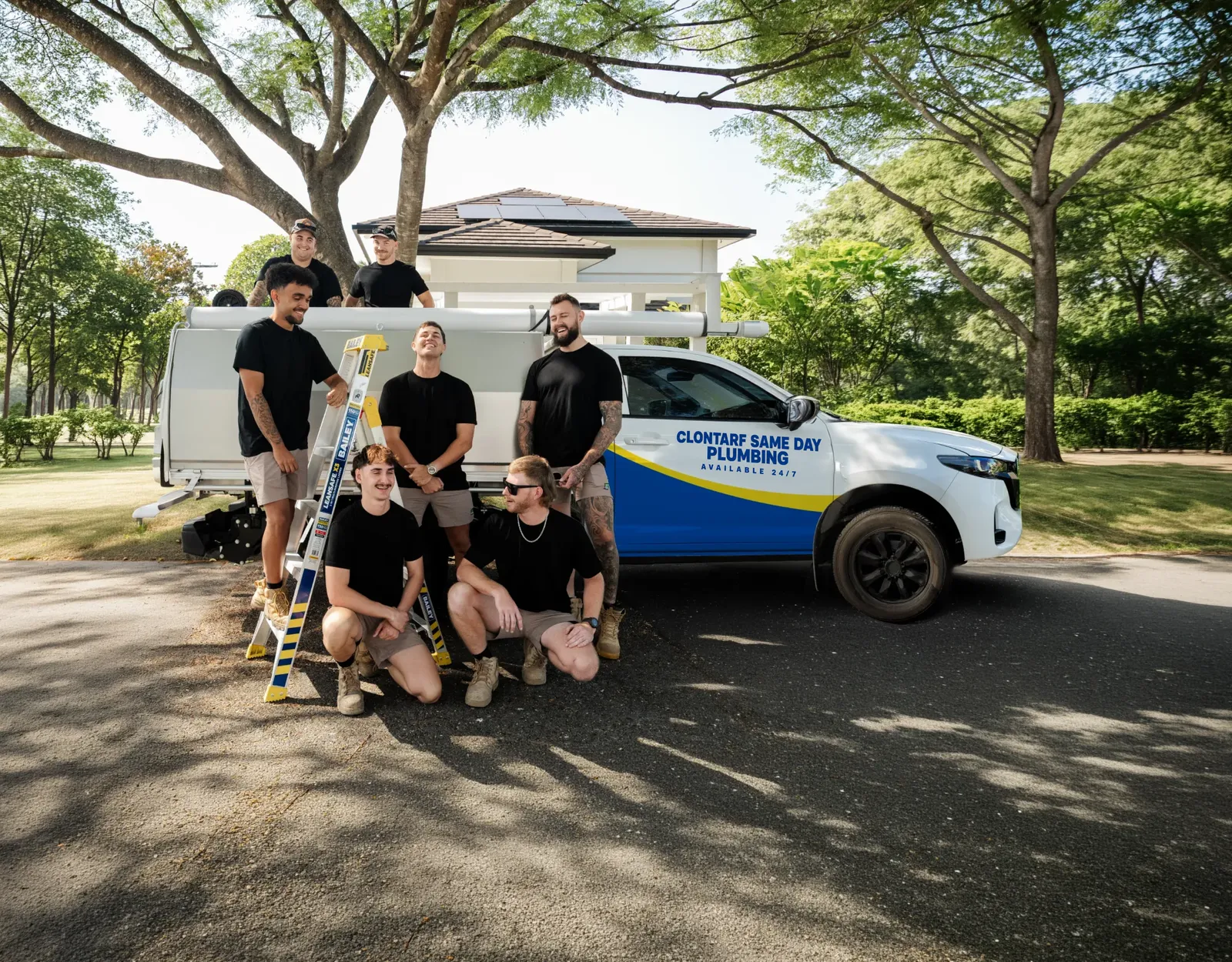
A licensed plumber handles the diagnosis, because almost everything inside a cistern is regulated work in Queensland. This page covers what each fault sounds like, the colour check that confirms it, and the legal line for do-it-yourself jobs.
Clontarf has a large stock of older homes, and old cisterns wear out. At the last census the suburb counted 3401 dwellings, and 78.5 per cent were detached houses, most of them postwar.
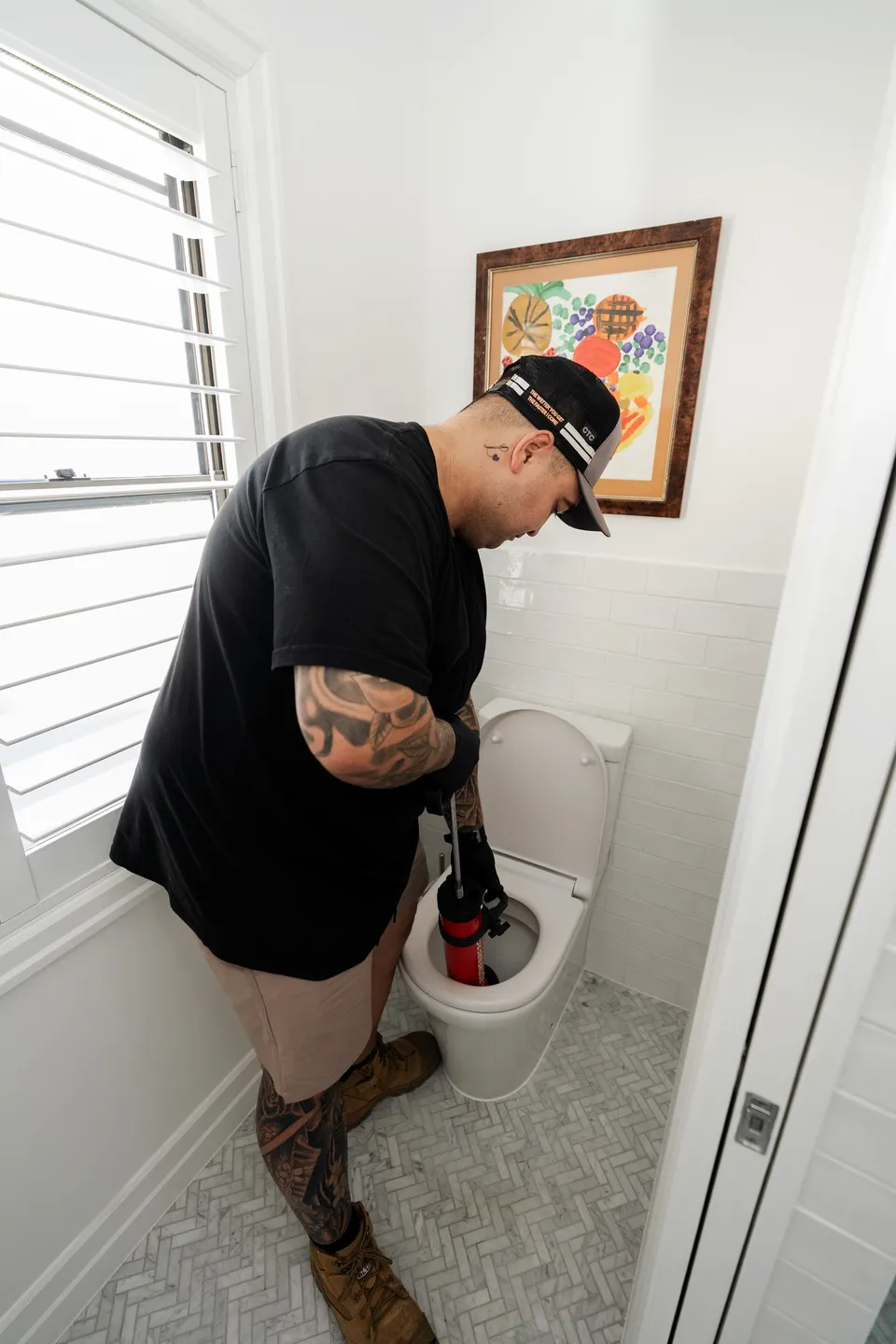
Inlet Valve, Flush Valve Seal and Overflow Explained
Three faults sit behind a running loo: an inlet valve that fails to shut off, a flush valve seal worn enough to leak, and water set past the overflow.
Inlet valve
tops the cistern up again after a flush and should stop once the float hits its mark. A valve that is worn or gummed solid keeps hissing instead.
Flush valve seal
holds the water in between flushes. Once the seal wears, water drains into the pan, so the cistern keeps refilling and the flush never seems to end.
Overflow
the cistern's spill point, sending surplus water out rather than onto your floor. Water running from it, including a drip from an outside pipe, means the tank fills past its set level.
Each fault leaves a tell. Hissing or trickling that carries on after the tank has refilled points to the inlet valve. A cistern that refills every few minutes without a flush, or water creeping down the rear of the pan, points to the seal.
When the Cistern Will Not Fill
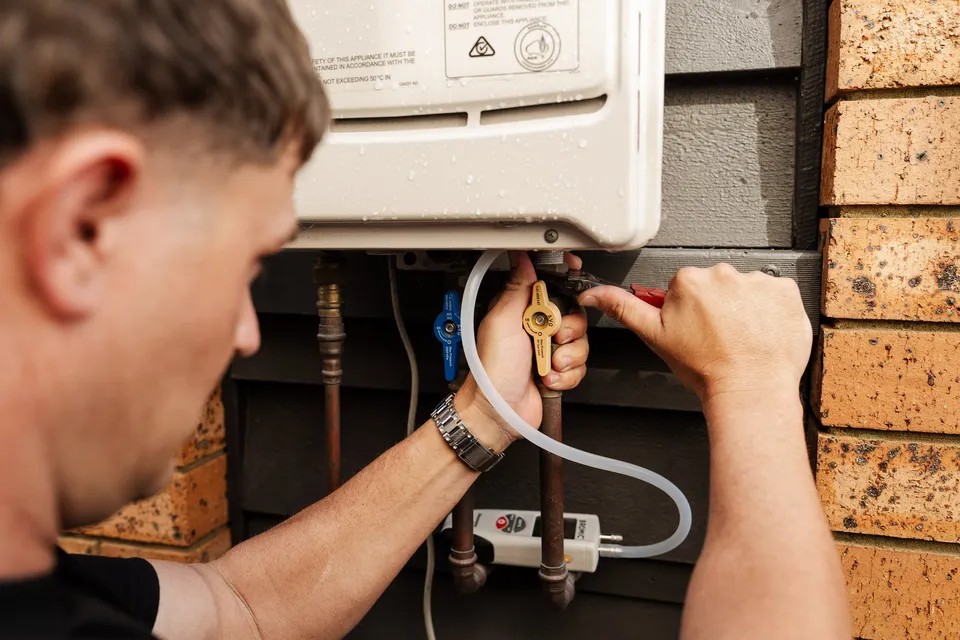
A cistern that never fills usually traces to an inlet valve worn or blocked, a float set below its mark, or a stop tap only partly open.
Rule the stop tap out first. A tap bumped partway shut by a mop bucket starves the whole cistern before any part gets the blame.
A float sitting low closes the valve early and leaves the tank short. Setting the level sits inside the regulated work, so the adjustment belongs to a plumber.
One combination misleads people: the water runs hard yet the level stays low. The seal on the flush valve is letting water escape as fast as it arrives, so the cistern cannot win. Every repair past the washers is covered on our toilet repairs page.
These faults cluster in older housing. Cisterns in postwar houses and in the flats around the Hornibrook Bus Lines depot have often been running for months before anyone hears them.
Which Cistern Parts a Home Owner May Replace
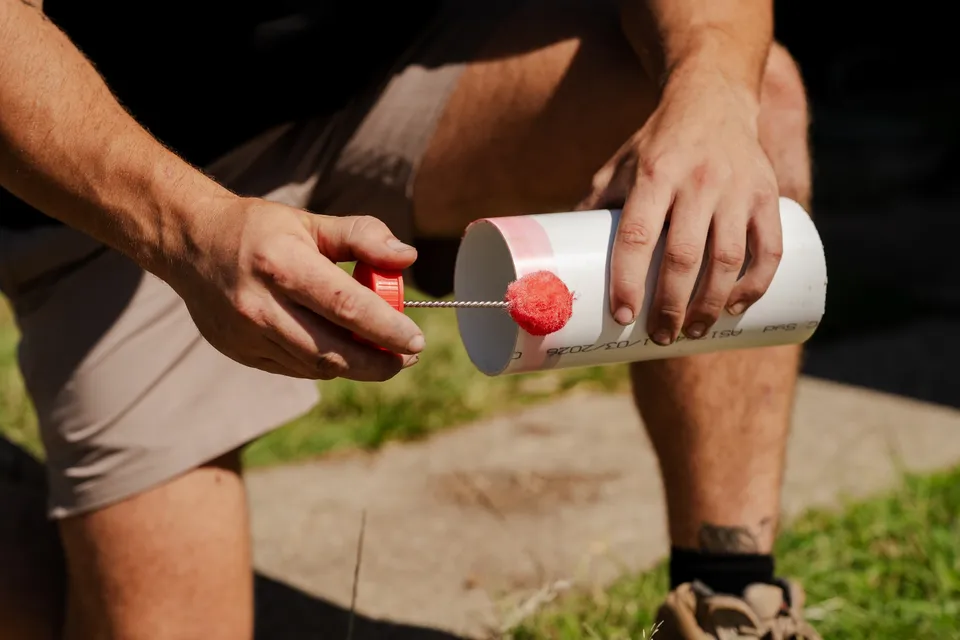
Three cistern parts sit on the QBCC's unregulated list: the washer in a drop valve, the washer in a float valve, and the rubber suction cup. Anyone who has the knowledge and skill the task calls for may swap those three, and the finished work still has to comply with the standards the codes set.
Every other toilet job is minor work in Queensland, done by a QBCC licensee without a permit or a Form 4. Unsure which side of the line your job falls on? Treat the doubt as the answer and call.
Rentals follow tenancy law instead. The owner or manager of a Queensland rental carries the repair duty, and the tenant reports a fault as soon as possible.
The Dye Test for a Leaking Cistern
Run this check to confirm a leaking seal:
- Squeeze a few drops of food colouring into the cistern water.
- Leave the loo unflushed and let the colour sit.
- Any tint appearing in the pan means tank water is escaping past the seal.
- Flush to clear the colour afterwards. Food dye leaves no stain on ceramic.
No colour reaching the pan tells you the flush valve is doing its job. The inlet valve and the water level come next on the list.
No food colouring at home? Lay a strip of dry toilet paper high on the rear wall of the pan, above the waterline. Paper that wets means water is trickling down that wall; dry paper points to a sound seal.

Who Pays for Water a Cistern Wastes
No, Unitywater's concealed leak adjustment does not extend to water a running cistern wastes. The policy leaves out cisterns, taps, hot water systems and other water-using fittings, since a running loo is not a concealed leak.
The loss stays with the property owner, who holds responsibility for leaks on their side of the meter. Running the colour check the day you first hear the trickle is the one move that keeps the quarterly bill from climbing.
Running Toilet FAQs
Call (07) 3523 7121Why does my toilet keep running after I flush?
One of three parts has usually given up. The inlet valve may be failing to close, the flush valve seal may be leaking tank water straight down the pan so the refill never ends, or the water may sit past the overflow. Constant hissing points to the inlet valve, and a cistern that refills without a flush points to the seal.
What is the overflow in a toilet cistern?
The overflow is the cistern's spill point, an outlet that sheds surplus water instead of letting it reach the floor. Water gets to it when the inlet valve fails to close or the float sits too high, and the excess runs out through the overflow pipe, sometimes as a drip outside the wall.
What does it cost to fix a running toilet in Clontarf?
Two factors set most of the price: which part gave up, and how easily we reach the cistern and its stop tap. Flats around the Hornibrook Bus Lines depot, where cisterns sit boxed behind tiling, take longer than an open cupboard in a detached house. A fixed quote before any work starts settles the final figure.
Who fixes a running toilet in a Clontarf rental?
Queensland tenancy law puts the owner or manager in charge of keeping the rental in good repair, and the tenant reports faults as soon as they notice. The state's emergency list covers a loo that is blocked or broken, not one that runs, so a running cistern ranks as routine and is repaired within a reasonable time.

Book a Plumber for the LooWe'll call you back.
Phone (07) 3523 7121 for a licensed plumber in Clontarf. We work under QBCC No: 15024607, with flat-rate pricing, no hidden fees and same-day where we can.
To claim your $0 call-out fee, call (07) 3523 7121 today.