Toilet Installation in Clontarf
A new suite changes how the whole bathroom works, and toilet installation in Clontarf is a job a licensed plumber from our team does start to finish. You get the price in writing up front, with flat-rate pricing and no hidden fees. The Clontarf home page lists every service we run around the suburb.
If we're late, $100 comes off your bill

- Licensed and InsuredEvery job done by a licensed plumber. QBCC No: 15024607
- Fixed Quote FirstFlat-rate pricing, agreed before any work starts
- Lifetime Labour WarrantyBacked by our Fix-It-or-It's-Free guarantee (T&Cs apply)
- $0 Call-Out FeesNo extra charge for nights, weekends or public holidays

What the job involves depends on what you are buying. Swapping one suite for another is one thing; moving the loo to a new spot in the room is another again. This page sets out the choices, the rules and the paperwork, so you know where your job sits before you ring.
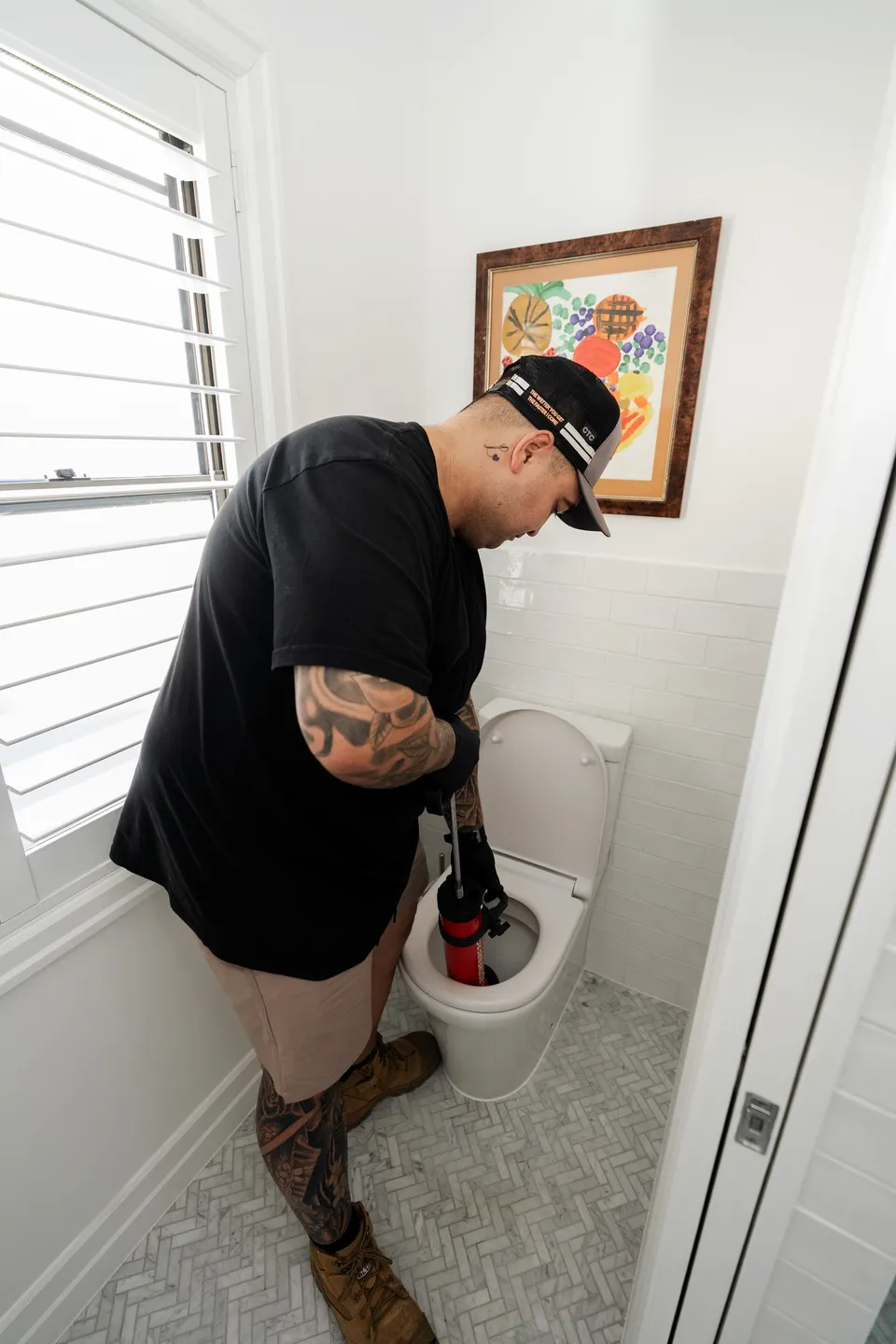
Choosing a Replacement Toilet Suite
Three suite types cover most Australian bathrooms, and the difference is how the cistern and pan are built. Close-coupled is the common one, with the cistern sitting on the pan. Back-to-wall puts the pan flat against the wall so the pipework behind it stays out of sight.
The third type is wall-hung:
- the pan mounts on a support frame inside the wall;
- the cistern hides in the wall behind a flush plate;
- the floor underneath stays clear, which makes cleaning easy.
Plenty of bathrooms here still run a single-flush cistern, because most of the suburb's housing went up before 1980. A cistern can be swapped on its own, but only when the new one matches the old pan's fixing positions and connections. Otherwise the full suite gets replaced.
If the pan is sound and the fault sits inside the cistern, toilet repairs may sort it without a new suite. Our tap and toilet plumbing page covers the rest of the room, and tap replacement handles the basin mixers that often get refreshed at the same time.
Will a New Toilet Fit the Old Pipes
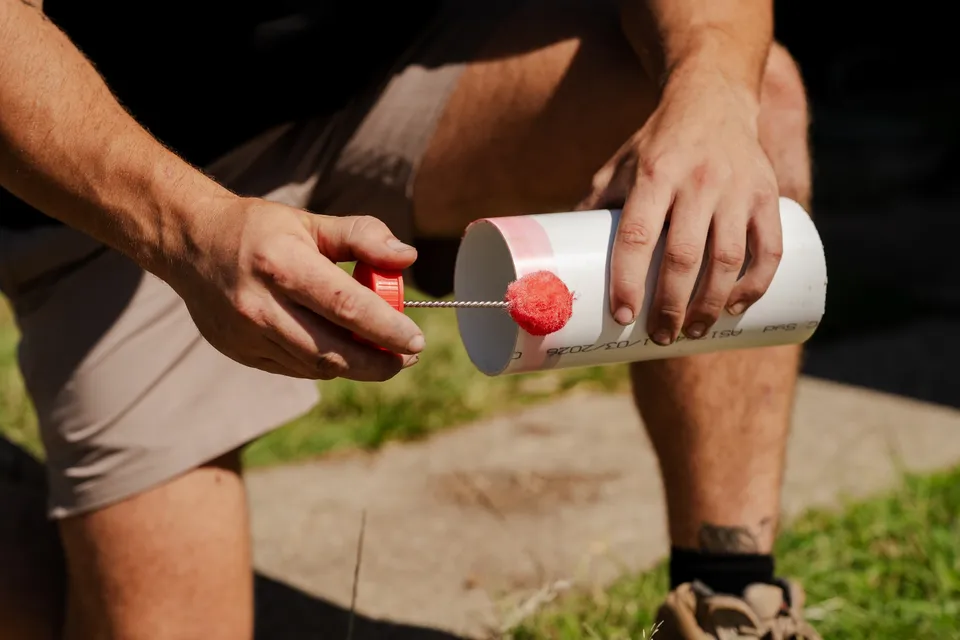
Set-out means the measured spot where the pan's waste outlet sits, in the floor or in the wall. A new pan connects straight onto the existing waste when its outlet lands on that spot, and the outlet type decides which pans suit at all.
S-trap
the outlet drops through the floor.
P-trap
the outlet runs out through the wall.
When the outlet will not line up, your plumber picks a pan that matches or alters the waste pipe. The second path means more work and different paperwork, which the next section covers.
Toilet Installation and the Form 4
Queensland puts toilet installation in the licensed category, and our QBCC licensed plumbers carry that licence. A new or moved loo in an existing home is notifiable work: no council permit applies, and we lodge a Form 4 with the QBCC within 10 business days.
A straight swap of an existing toilet is different. That job is minor work for a licensee, with no permit and no Form 4. Extending, altering or removing sanitary plumbing in a home that exists is notifiable work again.
Two more things worth knowing:
- the QBCC audits that Form 4s get lodged, and skipping one is an offence;
- if you are unsure where your job sits, the QBCC's online questionnaire settles it.
What the Water Rules Mean for a New Toilet
A dual flush cistern gives two volumes: a lighter half flush and a heavier full flush. Every toilet and cistern sold for Australian homes needs WaterMark certification, the plumbing code's product approval. It also needs registration on the Water Efficiency Labelling and Standards (WELS) scheme, which grades water use in stars.
The rules bite hardest on new builds. New houses and townhouses, and sole-occupancy units in apartment buildings, must have a dual flush toilet with a WELS rating of 4 stars or better. Business Queensland states the requirement does not carry over to renovations, so a replacement suite in an older home stays your choice.
Rentals have their own test, and it decides whether a tenant can be charged for all the water they use:
- the full flush tops out at 6.5 litres;
- the half flush tops out at 3.5 litres;
- the average flush, worked out over one full and four half flushes, tops out at 4 litres.
Those limits are a water-charging test, not an order to rip out a working loo, and no rental suite gets called illegal for missing them.

Like for Like or a New Toilet Position
Five things drive the price:
- the suite type;
- whether the outlet lines up or the waste needs altering;
- whether the loo stays put;
- how easily we reach the supply and waste;
- the Form 4 fee when one applies.
A new position adds pipework and paperwork, so it costs more than a swap. Local conditions shape the job too. Housing here runs mostly from the 1940s to the 1980s, so a postwar home along Snook Street usually keeps its original set-out, and the suburb's median age sat at 46 at the last census, which is why comfort-height pans come up often when we talk options.
We do not guess figures over the phone. Your plumber prices the job on site, and the fixed quote lands in writing before we pick up a tool.
How We Fit Your New Toilet
- 1

Get in touch
Call (07) 3523 7121 or send a quick message about the job in Clontarf, and we'll ask what we need to know.
- 2

Check the set-out and the suite
We measure where the waste outlet sits, confirm whether the new pan lines up or the pipe needs altering, and check the supply and overflow connections before the old suite comes out.
- 3
Sign off the quote
You'll see a fixed quote before any work starts, with flat-rate pricing and no hidden fees. The job starts when you're happy with it.
- 4

Pay once it's done
Pay by card or EFTPOS on site after the work's finished, or choose Fix now, pay later.
Plumbing job in Clontarf?
$0 call-out fees, available 24/7, and same-day where we can.
Toilet Installation Questions From Clontarf
Call (07) 3523 7121Can I install a toilet myself in Clontarf?
No, Queensland law makes toilet installation licensed work. The only toilet jobs the QBCC leaves open to anyone with the skill are a cistern's drop valve washer, float valve washer and suction cup rubber, and even those must still comply with the standards.
Does a new toilet need a Form 4?
Yes, when the loo is new to the building or moved to a new spot. That job is notifiable work, which needs no permit from council, and your plumber notifies the QBCC on a Form 4 inside 10 business days. A like-for-like swap of an existing toilet is minor work, which skips the Form 4.
Does replacing a toilet in Clontarf need a council permit?
No, a permit is not needed for minor or notifiable plumbing work in a home that exists. One exception: adding a fixture to a home sharing a combined drain, or one with a dual reticulated supply, is permit work. Any change to the waste pipe also counts as notifiable work, which means a Form 4 rather than a permit.
Does a landlord have to replace an old rental toilet?
No, the flush limits are a test for charging a tenant for all water, not an order to replace the loo. A rental toilet passes when the full flush sits at 6.5 litres or less, the half flush at 3.5 or less, and the average of one full with four half flushes at 4 litres.
What is the difference between an S-trap and a P-trap toilet?
An S-trap pan pushes waste down through the floor, and a P-trap pan pushes it out through the wall. The outlet already in your bathroom decides which type fits, because the new pan has to line up with the waste connection there.

Call Us About the New SuiteWe'll call you back.
Phone (07) 3523 7121 for a licensed plumber in Clontarf. We work under QBCC No: 15024607, with flat-rate pricing, no hidden fees and same-day where we can.
To claim your $0 call-out fee, call (07) 3523 7121 today.